Fusiotherm (Fusio) Leaks in Apartment Buildings: A Practical Guide for Body Corporate Committees

Cadogan Building Management  |  Auckland building management & body corporate specialists

If your apartment building has had a burst pipe, a stained ceiling in a lower-level unit, or a stubborn damp patch that keeps coming back, you may already be familiar with the term Fusiotherm. Fusiotherm leaks — known informally as Fusio leaks — have become one of the most common and most expensive plumbing problems in New Zealand apartment buildings built between roughly 1998 and 2015. For body corporate committees, the question is rarely whether a Fusio failure will affect your building; it is when, where, and how prepared you are to respond.

This guide explains what Fusiotherm is, why it fails, what the warning signs look like, and — most importantly — the practical steps your committee can take to protect owners, manage cost, and stop a single leak becoming a building-wide crisis.

What is Fusiotherm pipe?

Fusiotherm (sometimes called Fusio, Fusion, or aquatherm green pipe) is a polypropylene random copolymer — PP-R — plumbing system manufactured by the German company aquatherm. It became popular in New Zealand apartment construction from the late 1990s because it is lightweight, corrosion-resistant, and uses heat-fused joints instead of soldered or threaded connections. Marketed with a 50-year design life, it was widely specified for hot and cold water reticulation in multi-unit buildings.

In practice, a significant number of those installations are failing well inside 20 years — sometimes inside 10. The result is leaking risers, branch lines bursting inside walls, and repair bills that can run from tens of thousands of dollars for a localised failure into the millions for a full repipe.

Why are Fusio pipes failing?

There is no single cause, which is part of what makes Fusiotherm leaks so difficult to manage. The contributing factors most commonly identified by plumbing engineers and insurers include:

  • Manufacturing variation in certain batches of pipe and fittings imported in the 2000s.
  • UV exposure on site during construction, which degrades PP-R before it is ever installed.
  • Over-tightening or poor welding technique at heat-fused joints — the most common single failure point.
  • Long-term chemical attack from chlorinated water supplies, which makes the pipe brittle over time.
  • Higher operating temperatures and pressures than the system was originally designed for, especially on hot-water lines.

Most leaks occur at fittings rather than mid-run, and hot-water lines fail earlier than cold. Once one fitting has gone in your building, others installed in the same period — by the same plumber, from the same batch — are statistically more likely to follow.

Signs your building has a Fusiotherm problem

Committees should treat any of the following as a prompt to investigate seriously:

  • Repeated leaks in the same riser, stack, or stairwell — even if each one is small.
  • Water staining on ceilings of lower-level units after rain has been ruled out.
  • A drop in hot-water pressure or unexplained increases in the building’s water bill.
  • Damp or musty smells in cupboards housing risers or hot-water cylinders.
  • Insurance excess increases, exclusions, or insurer requests for a plumbing condition report at renewal.

Who pays — common property or unit owner?

Under the Unit Titles Act 2010, pipework that serves more than one unit — risers, mains, and the reticulation inside common walls — is almost always common property and therefore a body corporate responsibility. Pipe within a single unit, downstream of the isolation valve, is generally the owner’s. The boundary is rarely as clean as it sounds, which is why a careful site-specific assessment matters before liability is allocated.

Insurance is the other half of the picture. Most body corporate policies will cover resultant damage from a sudden leak (the soaked carpet, the ruined gib) but not the cost of the failed pipe itself, and increasingly not the cost of investigation. Insurers are watching Fusiotherm claims closely; some are now requiring evidence of a maintenance plan before they will renew.

Practical steps for your body corporate committee

The committees that come through a Fusiotherm problem in the best shape are the ones that treat the first leak as a system warning, not an isolated event. The following steps are in the order we recommend tackling them.

1. Don’t just patch and forget.

          A single fitting failure in a Fusio system is almost never isolated. Record every leak — location, date, what failed, and which plumber attended — and start building a map of the building’s plumbing history.

          2. Commission a plumbing condition assessment.

          Engage a plumber or building services engineer with specific Fusiotherm experience to inspect accessible pipework, identify the installation period and likely batch, and grade the system’s remaining service life.

          3. Update your Long-Term Maintenance Plan (LTMP).

          Your LTMP must reflect the real risk. If a full repipe is realistic within 10 years, the plan and the long-term maintenance fund need to show that — and owners need to see it coming, not be ambushed by a special levy.

          4. Talk to your insurer early.

          Don’t wait for renewal. Tell your broker what you know, ask what evidence they want, and find out whether a documented maintenance and inspection regime will preserve your cover and excess.

          5. Decide the right strategy: patch, partial repipe, or full repipe.

          Each has a place. Patching buys time on a low-risk system. Partial repipes (hot lines first, or one riser at a time) spread cost. Full repipes are disruptive and expensive but end the problem. A specialist should help you model the cost over 5, 10 and 15 years before you commit.

          6. Get multiple specialist quotes — and check experience.

          Repiping an occupied apartment building is specialist work. Ask for references from comparable jobs, make sure quotes are like-for-like on access, reinstatement, and warranty, and avoid contractors whose only experience is single-house plumbing.

          7. Communicate with owners early and often.

            Nothing damages a committee’s mandate faster than owners learning about a major levy from a rumour. Use the AGM, written updates, and an owners’ meeting before any vote on funding.

            8. Plan how the work will be funded.

            Options include drawing on the long-term maintenance fund, a one-off special levy, staged levies, or, for larger schemes, body corporate financing. Each has tax and disclosure implications — get advice before you choose.

            9. Mitigate damage while you decide.

            Install leak-detection sensors at risers and under hot-water cylinders, check that isolation valves actually work, and make sure every unit has clear instructions for shutting off water in an emergency.

            10. Engage a building manager who has done this before.

              Fusiotherm projects sit at the intersection of plumbing, insurance, owner relations, and statutory compliance. A building manager who has run repipes before will save your committee thousands in avoided mistakes and many hours of volunteer time.

              When to act

              The temptation, especially when budgets are tight, is to wait for the next leak before doing anything. With Fusiotherm, that is almost always the most expensive strategy. The cost of investigation, planning, and a phased repipe done on your timetable is reliably lower than the cost of emergency callouts, insurance excesses, and damage to lower-level units done on the building’s timetable. If you have had even one significant Fusio failure, your committee should be commissioning a condition assessment this financial year.

              The Power of Proactive Facilities Management: Maximising Efficiency and Value

              In today’s fast-paced business landscape, Facilities Management plays a crucial role in ensuring the seamless operation of commercial properties. However, the traditional reactive approach to Facilities Management is no longer sufficient. To truly maximise efficiency, minimise downtime, and enhance the value of your property, it’s time to embrace the power of proactive Facilities Management. In this blog post, we will explore the benefits and strategies of proactive Facilities Management and how it can transform your property into a well-oiled machine.

              1. Anticipating and Preventing Issues: Proactive Facilities Management focuses on identifying and addressing potential issues before they escalate. By conducting regular inspections, implementing preventive maintenance programs, and utilising advanced technologies, Facilities managers can detect early warning signs of equipment failure, structural issues, or safety hazards. This proactive approach not only minimises unexpected breakdowns but also extends the lifespan of assets, reduces costly repairs, and ensures a safe and comfortable environment for occupants.
              2. Optimising Efficiency and Sustainability: Proactive Facilities Management goes beyond day-to-day operations; it encompasses a holistic approach to optimise energy consumption, reduce waste, and promote sustainability. Through energy audits, data analysis, and the implementation of energy-efficient technologies, Facilities managers can identify opportunities to reduce energy usage, lower utility costs, and minimise the environmental impact of the property. This not only benefits the bottom line but also aligns with the increasing demand for environmentally responsible practices.
              3. Enhancing Tenant Satisfaction: Tenants expect more than just a functional space; they desire a well-maintained, efficient, and pleasant environment. Proactive Facilities Management plays a vital role in meeting these expectations. By promptly addressing maintenance requests, implementing regular cleaning schedules, and providing proactive communication channels, Facilities managers create a positive tenant experience. Satisfied tenants are more likely to renew leases, recommend the property to others, and contribute to a vibrant and thriving community.
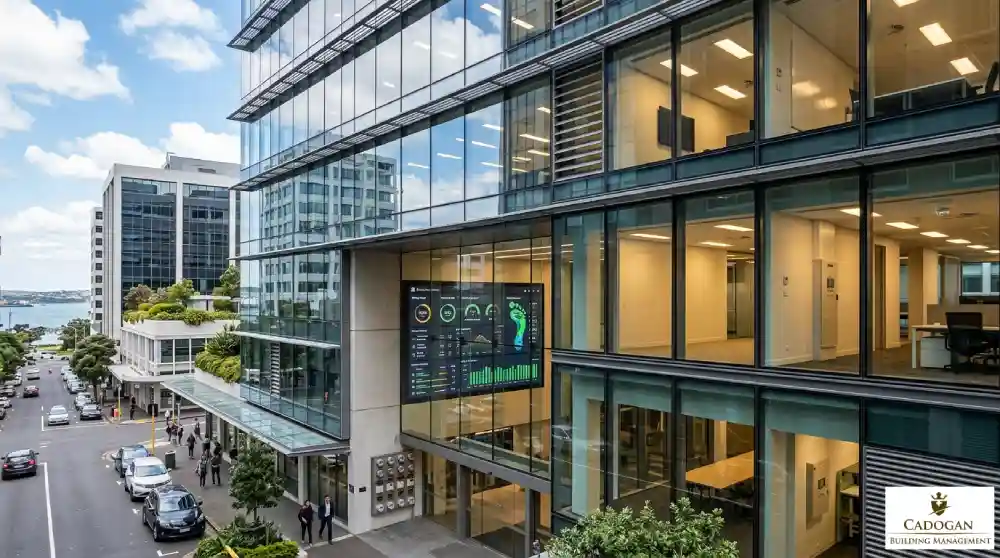
              4. Leveraging Technology: Technology has become a game-changer in the world of Facilities Management. Proactive Facilities managers utilise advanced software, data analytics, and Internet of Things (IoT) devices to gain real-time insights into the property’s performance. This enables them to track energy usage, monitor equipment health, predict maintenance needs, and make data-driven decisions. By harnessing the power of technology, Facilities managers can optimise operations, streamline workflows, and ensure efficient resource allocation.
              5. Strategic Planning and Future-Proofing: Proactive Facilities Management involves long-term planning and forecasting to ensure the property remains competitive and resilient in the face of evolving needs and industry trends. Facilities managers assess the property’s lifecycle, develop maintenance schedules, and plan for upgrades or renovations well in advance. By staying ahead of the curve, they can mitigate risks, reduce disruptions, and enhance the property’s value over time.

              In a rapidly changing business landscape, proactive Facilities Management is no longer a luxury; it’s a necessity. By adopting a proactive approach, property owners and Facilities managers can unlock numerous benefits, including increased efficiency, improved sustainability, enhanced tenant satisfaction, and long-term value creation. Embrace the power of proactive Facilities Management today, and witness the transformative impact it can have on your property. Trust in the expertise of Cadogan Facilities Management to help you navigate the complexities of proactive Facilities Management and unlock the full potential of your property.

              Preserving the Value of Your Investment: The Importance of Long-Term Maintenance Plans

              long term maintenance for buildings

              In today’s dynamic urban landscape, investing in apartment properties offers both lucrative opportunities and unique challenges. As custodians of these valuable assets, apartment owners must prioritise the long-term health and maintenance of their buildings to ensure sustained value and prosperity.

              Recently, lawyer Joanna Pidgeon shared invaluable insights into the intricate world of property ownership, emphasising the significance of proactive maintenance strategies and transparent disclosure measures. Her words underscored a fundamental truth: the importance of comprehensive long-term maintenance plans in safeguarding the longevity and integrity of apartment buildings.

              At the core of Pidgeon’s message lies the imperative need for proactive planning and meticulous attention to detail. Long-term maintenance plans serve as invaluable roadmaps, guiding property owners through the intricacies of building upkeep and sustainability. By investing in thorough surveys and embracing transparent communication channels, owners can proactively identify and address potential issues, thereby mitigating risks and preserving the value of their investments.

              As advocates for proactive building management, we echo Pidgeon’s sentiments and underscore the critical role that long-term maintenance plans play in ensuring the continued success of apartment properties. By implementing comprehensive maintenance strategies and fostering open communication with residents, owners can navigate the complexities of urban living with confidence and peace of mind.

              At Cadogan Facilities Management, we are committed to empowering property owners with the tools and resources they need to thrive in today’s competitive market. Through our comprehensive suite of building management services, we help owners develop and implement tailored maintenance plans that align with their unique needs and objectives.

              In conclusion, proactive maintenance planning is not just a prudent investment—it’s a cornerstone of long-term success and sustainability in the world of apartment ownership. By prioritising the implementation of long-term maintenance plans, property owners can future-proof their investments and ensure continued prosperity for years to come.

              Join us in embracing the power of proactive building management and discover the difference it can make for your investment. Contact us today to learn more about our services and how we can help you achieve your property management goals.

              #BuildingManagement #LongTermMaintenance #PropertyInvestment #Sustainability #UrbanLiving 🏢🛠💼

              https://www.oneroof.co.nz/news/leaky-buildings-time-bomb-by-the-time-people-realise-there-is-a-problem-you-are-past-the-10-years-45240

              Ensuring Safety and Security: Best Practices for Building Managers

              Best Practices for Building Safety and Security

              Safety and security are fundamental priorities for building managers, as they play a key role in protecting the well-being of residents, tenants, and visitors, while also safeguarding the property itself. Effective building management requires a proactive approach to minimising risks and responding efficiently to emergencies. Here are some best practices that building managers can implement to ensure safety and security across their properties.

              1. Conduct Regular Safety Inspections

              Routine inspections are essential to identifying and addressing potential hazards before they become serious problems. Building managers should conduct regular checks of all common areas, exits, electrical systems, fire safety equipment, and mechanical systems to ensure they are functioning properly. Documenting these inspections not only keeps the building in compliance with regulations but also provides a valuable record in case of incidents.

              2. Implement Access Control Systems

              One of the most effective ways to maintain building security is through a robust access control system. This may include keycard entry, fob systems, or biometric scanners that limit access to authorised personnel. These systems provide a higher level of control over who enters the building and can log entries for future reference, enhancing both security and accountability.

              3. Ensure Fire Safety Compliance

              Fire safety should be a top priority for any building manager. This involves installing and maintaining fire detection and suppression systems such as alarms, extinguishers, and sprinkler systems. Regular fire drills should be conducted to ensure residents and staff are familiar with evacuation routes and procedures. Additionally, emergency lighting and clear signage should be in place to guide people safely out of the building in the event of a fire.

              4. Surveillance and Monitoring

              Surveillance cameras and monitoring systems act as both a deterrent to potential security threats and a way to document incidents when they occur. Strategically placed cameras in key areas such as entrances, exits, and parking lots can help prevent unauthorised access and vandalism. In larger buildings, having a monitoring service or security personnel who can review camera footage in real time is also beneficial.

              5. Emergency Preparedness

              A building should have a comprehensive emergency preparedness plan that covers a wide range of potential crises, from fires and floods to power outages and medical emergencies. This plan should be regularly reviewed and updated, and all staff should be trained on their roles during an emergency. In addition to fire drills, emergency evacuation plans should be posted in visible locations throughout the building.

              6. Work Closely with Local Authorities

              A building management company in Auckland can enhance safety and security by fostering strong relationships with local authorities, including the police, fire department, and health and safety inspectors. These partnerships can provide guidance on regulatory compliance, assist with emergency planning, and offer rapid response in the event of a crisis.

              7. Secure Maintenance Practices

              Ensuring that maintenance staff and contractors follow secure protocols when working in the building is critical. All contractors should be vetted, and building managers should establish clear guidelines on who is permitted access to which areas. Maintenance logs should be kept up to date to track repairs, upgrades, and any issues that may impact safety.

              8. Promote Resident Awareness

              Building safety is a community effort, and educating residents about best safety practices is crucial. Regular communication about security protocols, fire safety, and emergency procedures can help residents stay informed. Building managers can send updates via email, apps, or physical noticeboards and should encourage residents to report any suspicious activity or safety concerns immediately.

              9. Use Technology to Enhance Security

              Technology can significantly improve a building’s safety and security. Modern systems such as smart locks, automated lighting, and remote monitoring tools can be integrated into building management practices. Additionally, property management software can be used to streamline communication, allowing building managers to quickly alert residents of any safety issues.

              10. Perform Regular Risk Assessments

              Regular risk assessments help identify vulnerabilities in the building’s safety and security protocols. These assessments should take into account the building’s layout, occupancy, and any changes in regulations. By continually reviewing and updating safety measures, building managers can stay ahead of potential threats and ensure a safer environment for all.

              Conclusion

              Ensuring the safety and security of a building is an ongoing responsibility that requires careful planning, regular inspections, and collaboration with residents and local authorities. By implementing these best practices, building managers can mitigate risks, respond effectively to emergencies, and create a safe and secure environment for everyone who lives and works in their buildings.

              Top Strategies for Effective Maintenance in Residential Buildings

              building maintenance programme

              Effective maintenance is crucial for ensuring the longevity and functionality of residential buildings. Proper upkeep not only preserves the value of the property but also enhances the quality of life for residents. Here are some top strategies for effective maintenance in residential buildings:

              1. Regular Inspections

              Conducting regular inspections is the cornerstone of effective building maintenance. These inspections help identify potential issues before they escalate into costly repairs. Schedule inspections for critical systems such as HVAC, plumbing, electrical, and structural components. Regular inspections can also extend to common areas, roofs, and exteriors.

              2. Preventive Maintenance Programs

              Implementing a preventive maintenance program is essential for addressing issues before they become major problems. This proactive approach involves routine servicing and timely repairs of equipment and systems. Preventive maintenance not only reduces the risk of unexpected breakdowns but also extends the lifespan of building components.

              3. Responsive Repair Services

              A responsive repair service ensures that maintenance issues are addressed promptly. Establish a reliable system for residents to report problems, and prioritize repairs based on urgency. Swift response to maintenance requests enhances resident satisfaction and prevents minor issues from turning into major disruptions.

              4. Regular Cleaning and Upkeep

              Regular cleaning of common areas, exteriors, and other shared spaces is vital for maintaining a pleasant living environment. Establish a cleaning schedule that covers all areas, including lobbies, hallways, elevators, and recreational facilities. Clean and well-maintained spaces not only look appealing but also reduce the risk of pest infestations and health hazards.

              5. Budgeting for Maintenance

              Proper budgeting is essential for effective maintenance management. Allocate sufficient funds for both routine maintenance and unexpected repairs. A well-planned budget ensures that maintenance activities are not delayed due to financial constraints. Additionally, consider setting aside a reserve fund for major capital expenditures, such as roof replacements or HVAC system upgrades.

              6. Skilled Maintenance Staff

              Hiring skilled maintenance staff is crucial for ensuring that all maintenance tasks are performed to a high standard. Employ technicians with expertise in various areas such as plumbing, electrical, HVAC, and general repairs. Continuous training and professional development can help staff stay updated with the latest maintenance techniques and technologies.

              7. Implementing Technology

              Utilizing technology can streamline maintenance operations and improve efficiency. Consider using maintenance management software to schedule tasks, track work orders, and monitor the status of ongoing projects. Smart building technologies, such as automated systems for lighting and HVAC, can also enhance maintenance efficiency and reduce energy costs.

              8. Resident Communication

              Effective communication with residents is key to successful maintenance management. Keep residents informed about scheduled maintenance activities, potential disruptions, and the status of their repair requests. Clear and transparent communication fosters trust and cooperation between residents and the maintenance team.

              9. Sustainability Practices

              Incorporating sustainability practices into maintenance activities can lead to long-term benefits for both the environment and the building. Use eco-friendly cleaning products, implement energy-saving measures, and consider water conservation techniques. Sustainable maintenance practices can reduce operational costs and promote a healthier living environment.

              10. Regular Updates and Improvements

              Periodically updating and improving building systems and facilities is essential for maintaining a high standard of living for residents. Plan for regular upgrades to outdated systems, enhancements to common areas, and renovations as needed. Keeping the building modern and well-maintained can attract new residents and retain existing ones.

              Conclusion

              Effective maintenance in residential buildings requires a combination of regular inspections, preventive maintenance, responsive repair services, and clear communication. By implementing these strategies, building managers can ensure the longevity of the property, enhance resident satisfaction, and create a safe and pleasant living environment. Investing in maintenance not only preserves the value of the building but also contributes to the overall well-being of its residents.

              Building Management 101: Essential Practices for Success

              essential building management

              Building management is a multifaceted field requiring a blend of technical knowledge, interpersonal skills, and strategic thinking. Whether managing a commercial property, a residential complex, or a mixed-use development, these essential practices will help ensure success.

              1. Understanding the Building’s Infrastructure

              The foundation of effective building management is a thorough understanding of the building’s infrastructure. This includes the HVAC systems, plumbing, electrical systems, elevators, and any specialized equipment. Regular inspections and maintenance of these systems are crucial to prevent breakdowns and ensure smooth operations.

              2. Implementing Preventive Maintenance

              Preventive maintenance is key to prolonging the life of building components and avoiding costly emergency repairs. Create a detailed maintenance schedule that covers all critical systems and adhere to it rigorously. This proactive approach not only saves money but also ensures the safety and comfort of the building’s occupants.

              3. Ensuring Safety and Security

              A secure building is a well-managed building. Implement comprehensive safety protocols, including regular fire drills, evacuation plans, and security measures such as surveillance cameras and access control systems. Training staff and occupants on these protocols is equally important to ensure everyone knows what to do in case of an emergency.

              4. Sustainability and Energy Efficiency

              Sustainability is no longer optional; it’s a necessity. Implementing green practices such as energy-efficient lighting, water-saving fixtures, and waste reduction programs can significantly reduce operating costs and environmental impact. Additionally, pursuing certifications like LEED can enhance the building’s value and appeal to eco-conscious tenants.

              5. Effective Communication

              Clear and effective communication with tenants, staff, and contractors is essential. Regular updates on maintenance schedules, upcoming projects, and any disruptions help manage expectations and build trust. A communication plan should include emails, newsletters, and an online portal where occupants can report issues and receive timely responses.

              6. Financial Management

              A successful building manager must have strong financial acumen. This includes budgeting, forecasting, and managing expenses. Regular financial reports and audits ensure transparency and help identify areas for cost savings. Additionally, understanding lease agreements and rent collection processes is vital for maintaining steady revenue.

              7. Tenant Relations

              Happy tenants are long-term tenants. Building managers should strive to foster a positive community atmosphere and address tenant concerns promptly. Regular events, feedback surveys, and an open-door policy can help build a strong relationship with tenants and improve retention rates.

              8. Vendor and Contractor Management

              Managing relationships with vendors and contractors is critical for seamless building operations. This involves negotiating contracts, ensuring compliance with service level agreements, and monitoring performance. Regular meetings and performance reviews can help maintain high standards and address any issues promptly.

              9. Compliance and Legal Issues

              Staying compliant with local regulations, building codes, and health and safety laws is a non-negotiable responsibility of a building management company in Auckland. Regularly reviewing compliance requirements and staying updated with changes in legislation can prevent legal issues and potential fines.

              10. Technological Integration

              Leveraging technology can streamline building management processes. Property management software, automated systems, and smart building technologies can enhance efficiency, reduce manual errors, and provide valuable data insights. Investing in the right technology can significantly improve operational effectiveness.

              11. Emergency Preparedness

              Being prepared for emergencies is a critical component of building management. Develop and regularly update an emergency preparedness plan that covers natural disasters, power outages, and other potential crises. Conduct regular drills and ensure all occupants are familiar with emergency procedures.

              12. Continuous Improvement

              Building management is an evolving field. Stay updated with industry trends, attend professional development courses, and continually seek ways to improve. Networking with other building managers and joining professional associations can provide valuable insights and opportunities for growth.

              Conclusion

              Effective building management is about creating a safe, efficient, and pleasant environment for occupants. By adhering to these essential practices, building managers can ensure smooth operations, enhance tenant satisfaction, and ultimately, achieve success in their role.

              🔥 Understanding Fire Door Compliance: Why Small Modifications Can Create Big Problems

              fire door compliance

              At Cadogan Facilities Management, one of our ongoing priorities is ensuring every building we manage meets New Zealand’s strict fire safety and compliance requirements. Recently, we’ve been reminded how easy it can be for well-intentioned residents to accidentally compromise a critical part of a building’s fire safety system — the fire doors.

              What Is a Fire Door?

              A fire door is a specially constructed door designed to resist the spread of fire and smoke, giving occupants valuable time to evacuate safely and helping to contain a fire within a specific area. Each door is tested and certified as part of a complete fire system, including the frame, hinges, seals, and locking mechanisms.

              Why Modifications Create Problems

              Fire doors are tested and certified in their original, unaltered condition — usually with a single approved lock and no additional holes or attachments. Any modification, such as adding another lock, drilling holes for hooks, or changing handles, can:

              • Invalidate the door’s certification and compromise its fire resistance.
              • Breach compliance requirements, affecting the building’s Building Warrant of Fitness (BWOF).
              • Increase risk for all residents by allowing smoke or flames to pass through more easily in an emergency.

              Even seemingly minor changes — like hanging decorations or installing a peephole — can impact the performance of the door under fire conditions.

              The Cost of Non-Compliance

              Once a fire door has been altered, it can’t simply be “patched up.” The entire door and frame typically need to be replaced to meet compliance standards. For many apartment owners, this can cost over $3,000 per door — not to mention the potential legal and insurance implications of a non-compliant building.

              The Right Way to Handle Fire Door Changes

              If you’re considering any change to your apartment door, here’s what you should do:

              1. Check with your Building Manager before making any modifications.
              2. Consult a certified fire door specialist (such as Hardware Direct) to confirm the change won’t affect compliance.
              3. Never drill, cut, or attach anything to a fire door without prior approval.

              Your Building Manager can coordinate with approved suppliers to ensure any work remains compliant with the manufacturer’s specifications and building code requirements.

              Why This Matters for Everyone

              Fire safety in multi-unit buildings relies on collective responsibility. One compromised door doesn’t just affect one apartment — it can put the entire building at risk. By following the right processes, residents help maintain a safe environment for everyone and ensure the building continues to meet its compliance obligations.

              Our Commitment

              At Cadogan, we take a proactive approach to compliance and education. We work closely with Body Corporate Committees, residents, and contractors to ensure every element of fire protection — from alarms to doors — remains effective and fully compliant.

              By understanding the importance of proper fire door maintenance and approval processes, we can all contribute to safer, stronger, and more resilient communities.


              Cadogan Facilities Management
              Professional. Proactive. Compliant.

              #FireSafety #BuildingCompliance #FacilitiesManagement #CadoganFacilitiesManagement #BuildingWarrantOfFitness #HealthAndSafety #PropertyManagement